A Circle of Security Classroom™ Program
Childhood Connections
If you work with youth and want to show up as the strong, kind, and committed educational support you desire to be, creating school communities of well-being...We have practical how-to applications to enhance your ability to understand challenging or confusing behaviours using a relational and trauma-informed lens for children of all neurotypes.
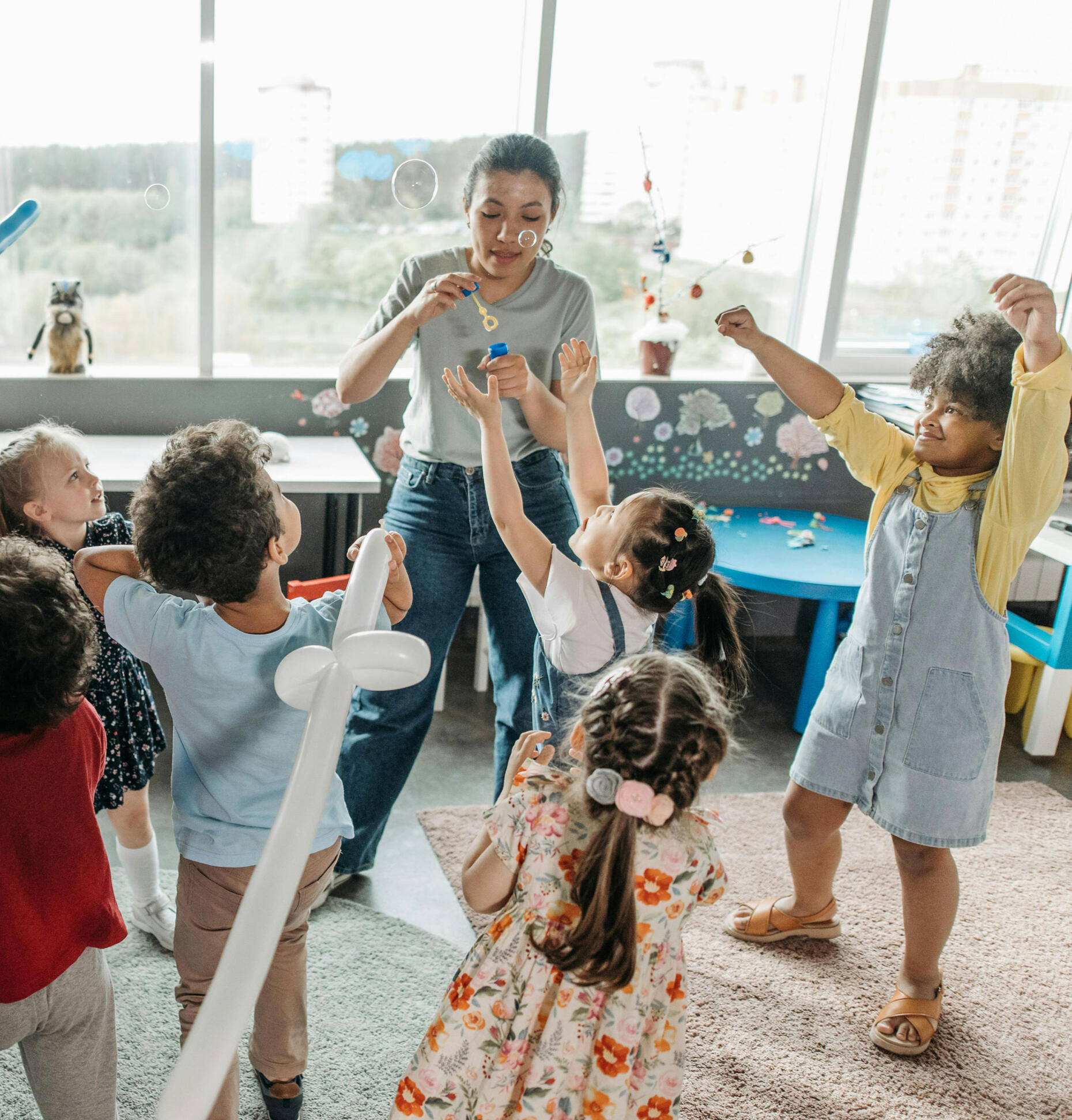
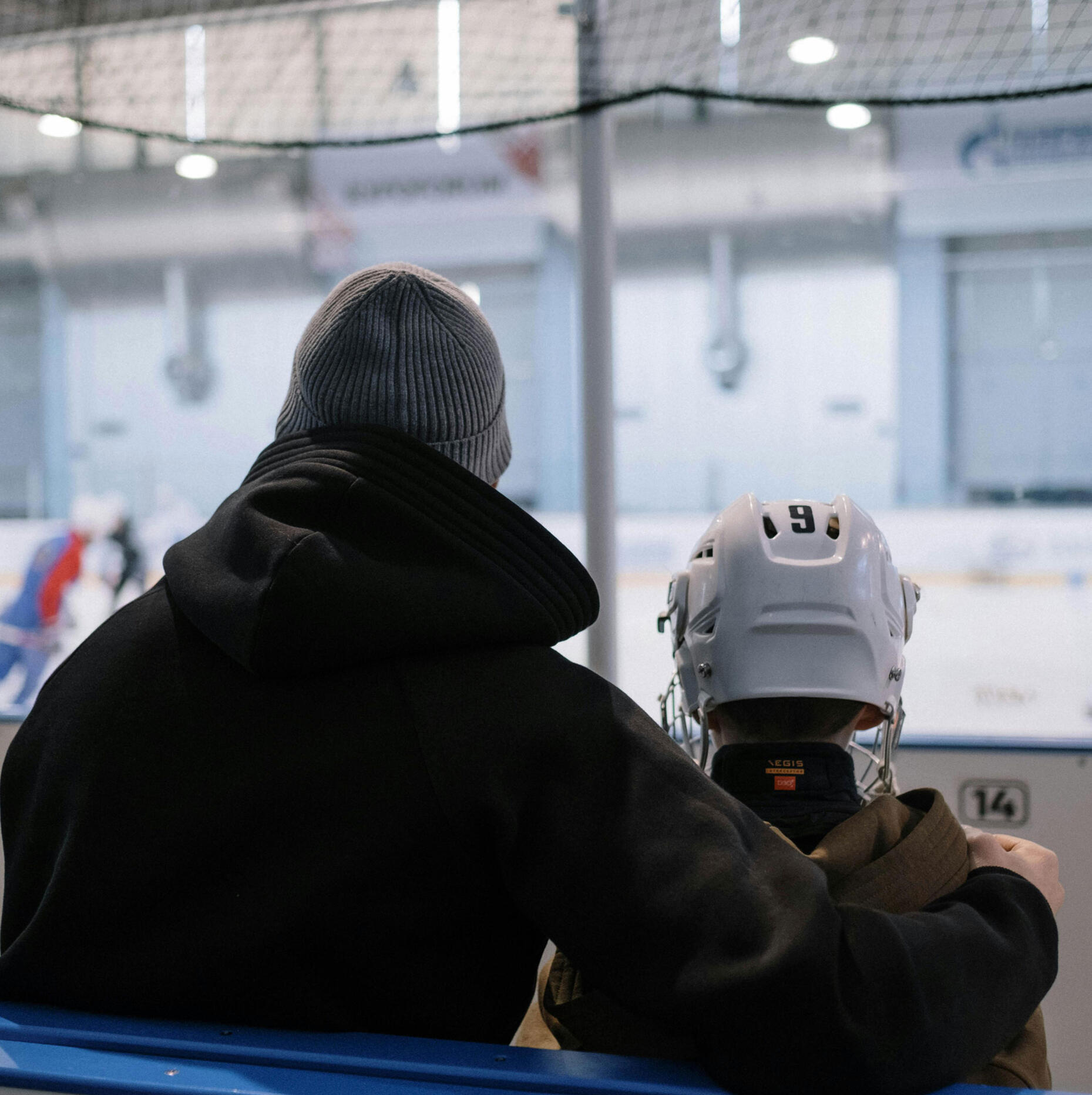
Calm and reliable connection with an early care provider is the foundation for all future learning.
We'll explore the importance of early childhood teachers of all types in children's lives, and the central role your relationship plays in their developmental and attachment needs.
"Defiance", "refusal", and "disruption" are all communication.
Developmental and behavioural analysis theories miss a crucial step that 60 years of research shows us: that connection through relationship-based strategies is the response that best allows for the safe, secure relationships in the classroom that provide a necessary ingredient for learning.When we understand the why that's underneath behaviour, everything shifts.
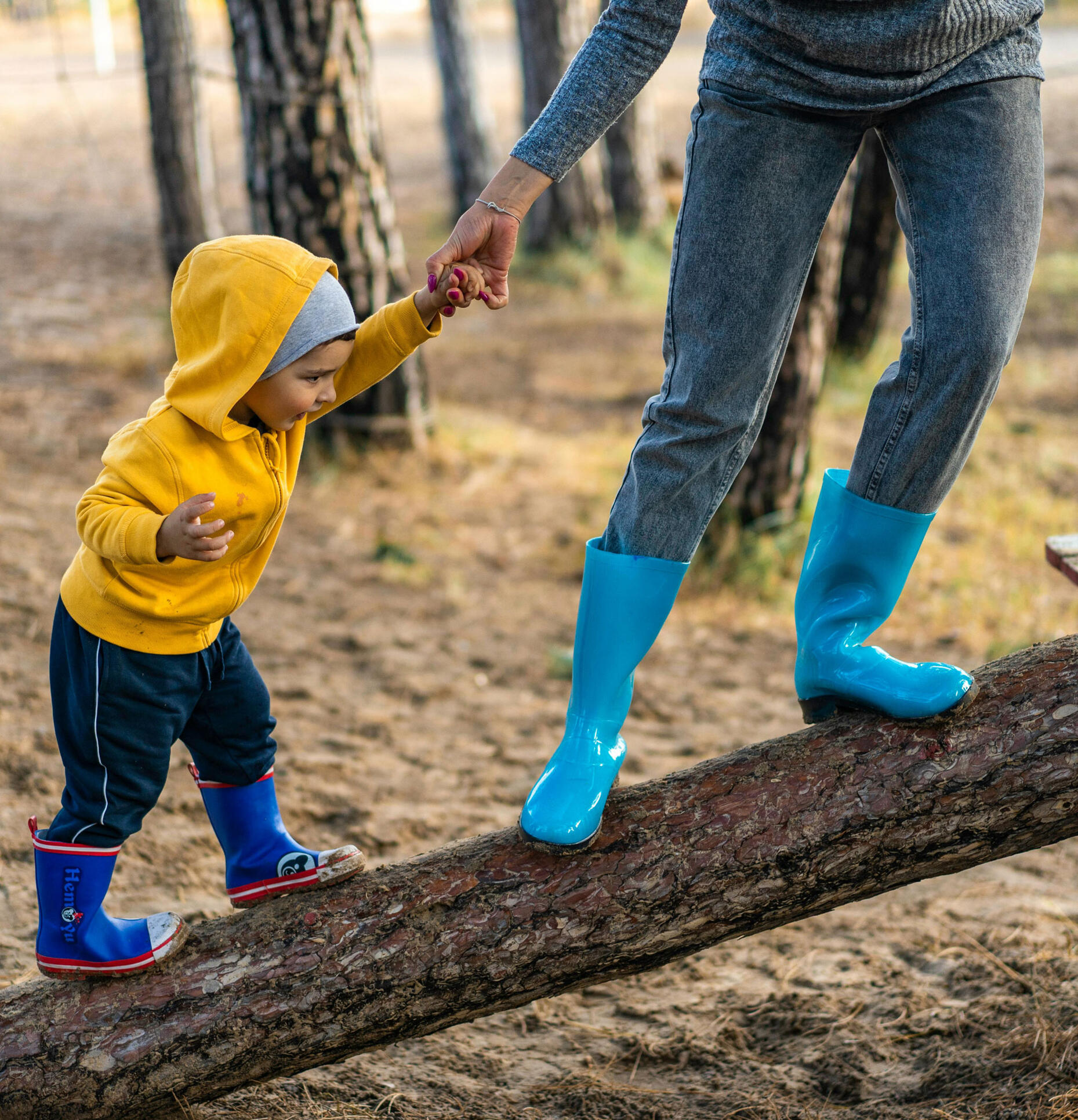
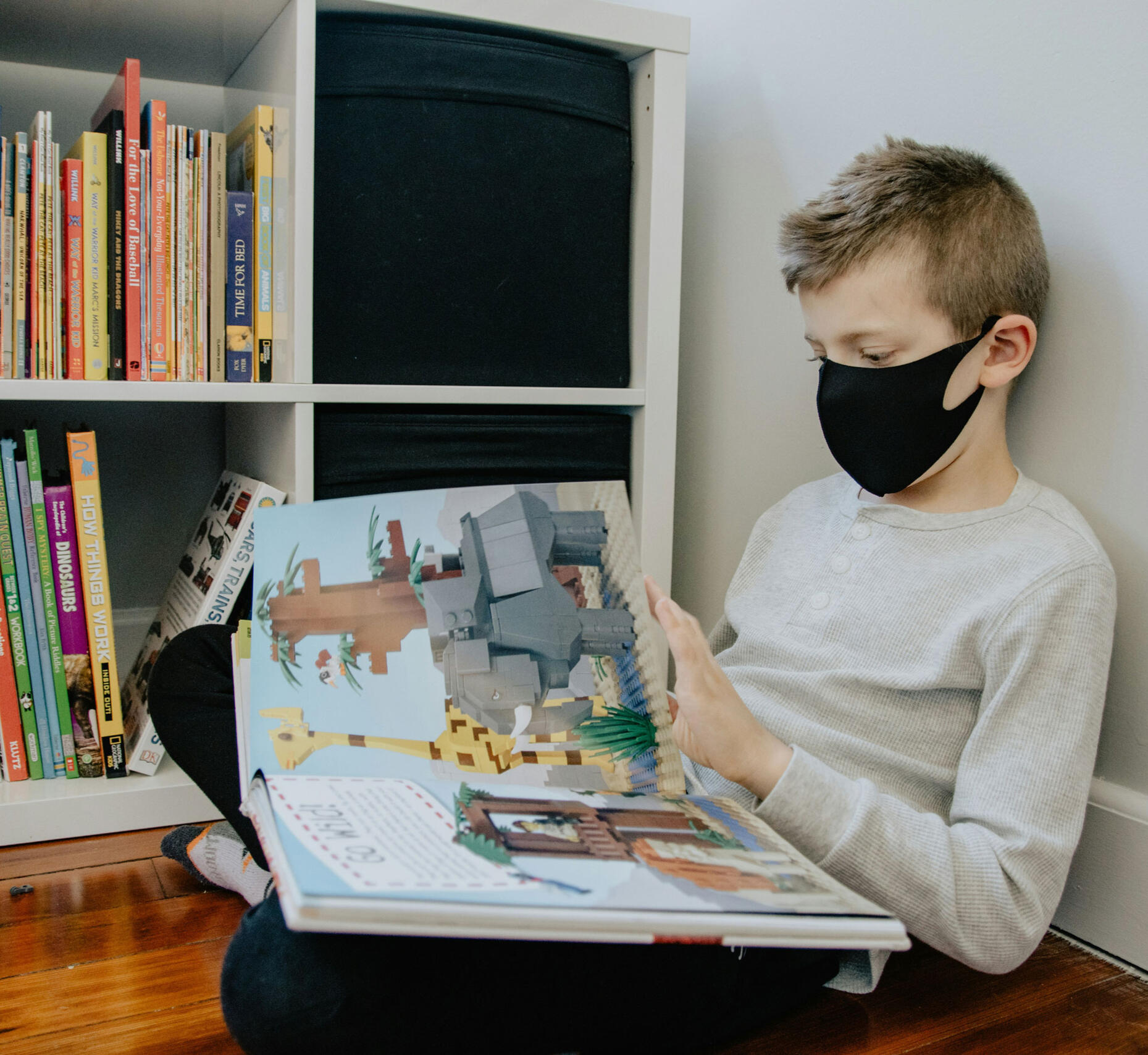
Classroom learning MUST be trauma-understood in this post-pandemic environment
All students are dealing with the impact of trauma and loss in their lives thanks to the collective trauma we all experienced during COVID-19. For some youth, this impact is compounded by conflict in parental separation, serious illness or death in the family, violence in the home, through immigration, journeys in foster care or adoption, or other systemic trauma.Without appropriate classroom support from decreased funding, increasingly we hear that ECEs, SW/SSWs, and CYWs are struggling in their roles.Childhood Connections provides an evidence-based and easy-to-follow methodology for you to learn how to better respond to the children and youth in your care.
Discover increased confidence and joy in your work
As educators, we never know the profound impact we might have on a child. Help them build strong roots so they can grow.With a variety of course options to suit your busy life, invest in your relationship-building skills with the Childhood Connections program by Branches in Balance Counselling.